Introduction: A Critical Gap in Early Detection
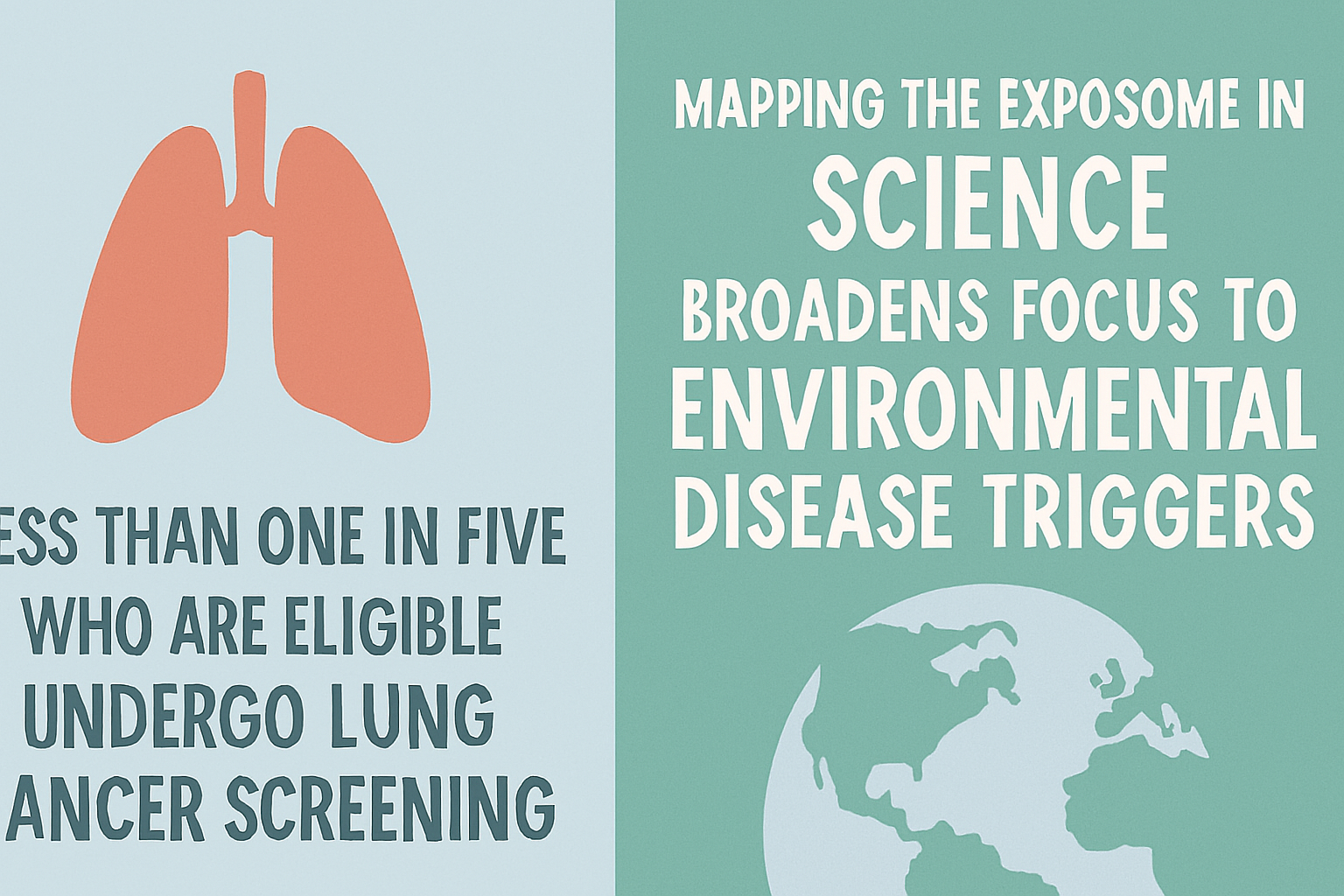
Lung cancer remains the leading cause of cancer-related deaths worldwide. Despite major advances in treatment, survival rates remain low because most patients are diagnosed at an advanced stage. Early detection dramatically improves the chance of survival, and low-dose CT (LDCT) scans are proven to reduce lung cancer deaths by identifying tumors before symptoms appear. However, research shows that fewer than 20% of people eligible for lung cancer screening actually undergo it. This gap highlights a serious public health challenge that needs immediate attention.
Who Is Eligible for Lung Cancer Screening?
Screening guidelines vary slightly by country, but most follow criteria similar to the U.S. Preventive Services Task Force (USPSTF). Individuals eligible for LDCT screening typically include:
Adults aged 50–80 years
Those with a 20 pack-year smoking history (e.g., 1 pack/day for 20 years or 2 packs/day for 10 years)
Current smokers or those who quit within the last 15 years
These individuals have the highest risk of developing lung cancer. Despite meeting these criteria, a very small percentage participate in screening programs.
Why Screening Rates Are So Low
There are several interconnected reasons why only one in five eligible individuals receives screening.
A. Lack of Awareness
Many high-risk individuals do not know that screenings exist or that they qualify. Lung cancer screening is not as well publicized as mammograms or colonoscopies.
B. Stigma Around Smoking
People who smoke or have smoked often feel judged or ashamed. This stigma leads many to avoid healthcare settings, even when screenings could save their lives.
C. Limited Access to Screening Centers
In rural or low-income areas, hospitals may not have low-dose CT scanners or trained specialists. Travel costs and long distances discourage people from getting screened.
D. Insurance and Cost Barriers
Although many health systems cover LDCT, some patients still face out-of-pocket costs or confusion about insurance eligibility, reducing participation.
E. Fear of Diagnosis
Some individuals prefer not to know their risk. Fear, anxiety, or denial can delay preventive care.
F. Physician Referral Gaps
Doctors may overlook smoking history or not discuss screening during routine visits. Without a strong recommendation from a physician, patients rarely seek screening on their own.
Consequences of Low Screening Rates
The consequences of low participation are significant.
A. Late Detection
Over 70% of lung cancer cases are diagnosed at stage 3 or 4, when treatment options are limited and survival is low.
B. Preventable Deaths
Studies show LDCT screening can reduce lung cancer mortality by up to 20–25% in high-risk groups. By not screening, many preventable deaths occur every year.
C. Higher Treatment Costs
Early-stage lung cancer is far less expensive to treat. Detecting cancer late increases the medical and economic burden on families and healthcare systems.
Benefits of Lung Cancer Screening
Despite low participation, LDCT screening has many advantages:
Detects tumors early, often before symptoms develop
Improves survival rates, especially for high-risk patients
Less radiation than a standard CT scan
Quick and non-invasive procedure
Helps identify other lung conditions (COPD, infections, nodules) early
How Public Health Efforts Can Improve Screening Rates
To increase screening uptake, healthcare systems must focus on:
A. Educating the Public
Awareness campaigns through social media, television, and community programs can inform people about eligibility and benefits.
B. Reducing Stigma
Positive messaging that focuses on health rather than blame encourages more people to participate.
C. Strengthening Physician Training
Doctors should proactively discuss screening with eligible patients during annual checkups.
D. Improving Accessibility
Mobile CT units, subsidized screenings, and expanded hospital programs can make screening easier for underserved communities.
E. Simplifying Insurance Processes
Clear guidelines and financial support reduce the confusion and cost barriers that stop people from getting tested.
Conclusion
Lung cancer screening is a powerful tool that can save lives, yet fewer than one in five eligible individuals undergo screening. Increasing awareness, improving access, reducing stigma, and encouraging physician referrals are essential steps toward closing this gap. With stronger public health commitments, early detection can become the norm rather than the exception, offering millions a better chance of survival.