
Introduction
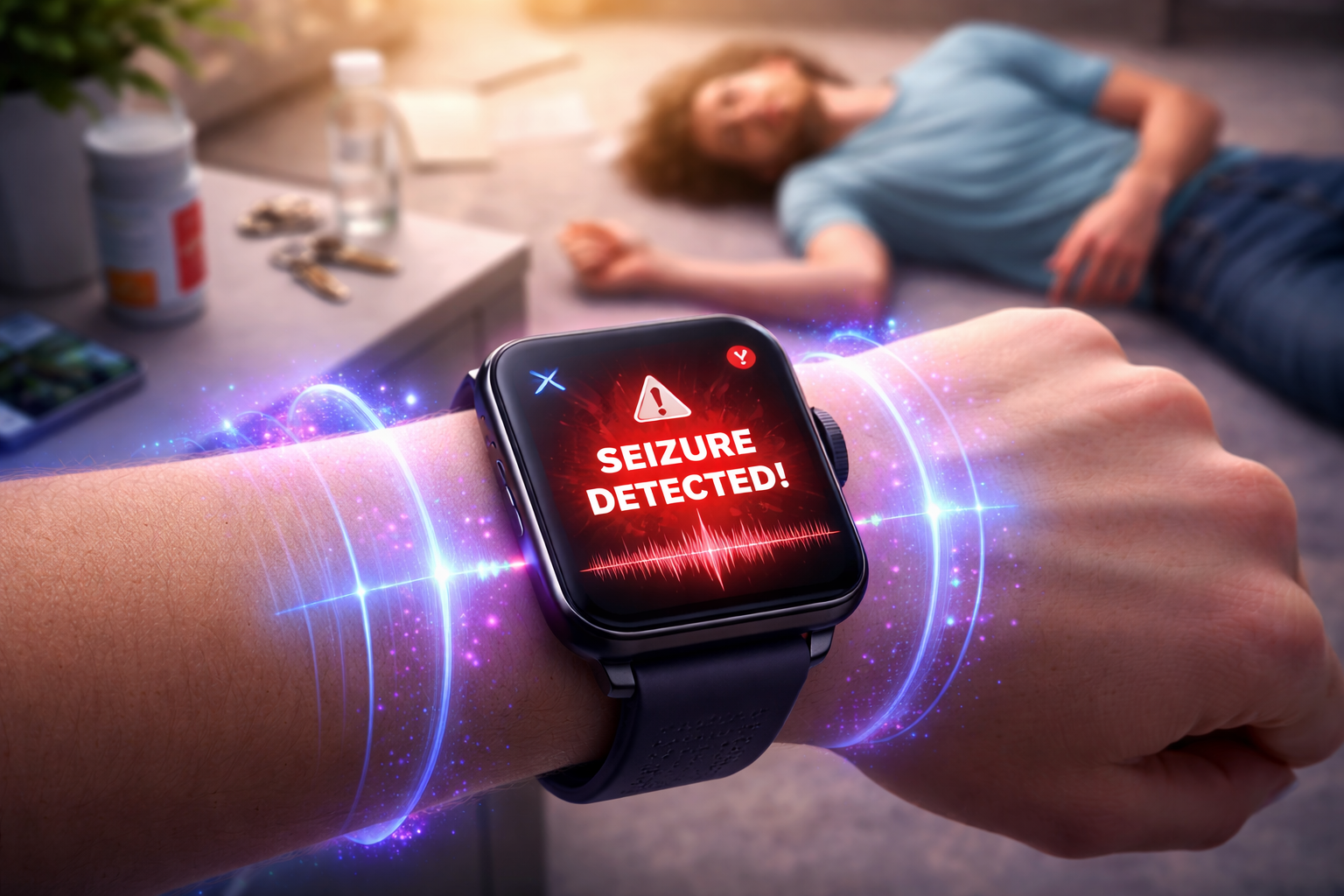
Technology continues to transform healthcare in remarkable ways, and wearable devices are becoming an important part of medical monitoring. A new smartwatch application designed to detect major epileptic seizures is showing promising results, offering hope for millions of people living with epilepsy worldwide. The app uses advanced sensors and artificial intelligence to identify seizure activity in real time, helping patients, caregivers, and medical professionals respond quickly during emergencies.
This innovation could improve patient safety, reduce health risks, and provide greater independence for people with epilepsy.
Understanding Epilepsy
Epilepsy is a neurological disorder that causes recurring seizures due to abnormal electrical activity in the brain. Seizures can vary in intensity and type, ranging from brief moments of confusion to severe convulsions.
Common symptoms of major epileptic seizures include:
- Sudden loss of consciousness
- Muscle stiffness
- Violent shaking movements
- Difficulty breathing
- Confusion after the seizure
- Loss of bladder control
According to global health organizations, millions of people worldwide are affected by epilepsy, making it one of the most common neurological conditions.
Challenges in Detecting Seizures
One of the biggest concerns for epilepsy patients is that seizures often happen unexpectedly. Some seizures occur during sleep or when patients are alone, increasing the risk of injuries or medical complications.
Traditional seizure monitoring methods include:
- Hospital observation
- EEG brain monitoring
- Caregiver supervision
- Video surveillance
However, these methods can be expensive, inconvenient, or unavailable outside clinical settings. This is where wearable technology offers a practical solution.
How the Smartwatch App Works
The smartwatch app uses built-in motion sensors, heart-rate monitoring, and machine learning algorithms to detect physical changes associated with major seizures.
The app monitors:
- Sudden body movements
- Rapid muscle contractions
- Changes in heart rate
- Abnormal motion patterns
When the system detects signs of a seizure, it can:
- Send emergency alerts to caregivers
- Notify family members
- Share GPS location
- Record seizure data for doctors
- Trigger emergency response features
This real-time monitoring helps provide faster assistance during medical emergencies.
Accuracy of the Technology
Researchers report that the smartwatch application can accurately detect many major epileptic seizures with high reliability. The technology is especially effective in identifying tonic-clonic seizures, which are among the most serious forms of epilepsy.
Artificial intelligence plays a major role in improving accuracy by learning a patient’s movement patterns over time. This helps reduce false alarms while increasing detection sensitivity.
Benefits of accurate seizure detection include:
- Faster emergency response
- Reduced injury risk
- Better long-term monitoring
- Improved treatment adjustments
- Greater peace of mind for families
Benefits for Patients and Caregivers
1. Increased Safety
The app provides immediate alerts when a seizure occurs, allowing caregivers to react quickly and provide support.
2. Greater Independence
Many epilepsy patients fear being alone during seizures. Wearable detection systems may help patients feel safer while working, traveling, or sleeping independently.
3. Better Medical Tracking
The app stores seizure data that doctors can use to monitor treatment effectiveness and identify seizure triggers.
4. Reduced Anxiety
Parents and caregivers often experience constant stress about unexpected seizures. Real-time alerts help reduce this emotional burden.
Role of Artificial Intelligence in Healthcare
Artificial intelligence is becoming increasingly important in modern medicine. In seizure detection systems, AI can analyze large amounts of movement and health data instantly.
Machine learning allows the smartwatch app to:
- Improve detection over time
- Adapt to individual patients
- Reduce false positives
- Identify patterns invisible to humans
This demonstrates how wearable health technology may transform patient care in the future.
Limitations and Challenges
Although the technology is promising, experts note that smartwatch seizure detection is not perfect.
Current limitations include:
- Possible false alerts
- Battery life concerns
- Limited detection of non-motor seizures
- Dependence on wearing the device consistently
Researchers continue improving the software to make detection systems more accurate and reliable.
Future of Wearable Seizure Monitoring
The future of wearable health technology looks extremely promising. Experts believe future smartwatches may include:
- More advanced AI systems
- Improved medical-grade sensors
- Continuous brain activity monitoring
- Integration with hospitals and emergency services
As technology advances, wearable devices could become essential tools in managing chronic neurological disorders.
Conclusion
The development of a smartwatch app that accurately detects major epileptic seizures represents a major breakthrough in healthcare technology. By combining wearable sensors with artificial intelligence, the system can provide real-time seizure monitoring, faster emergency response, and greater safety for epilepsy patients.
Although further improvements are still needed, this innovation offers hope for improving quality of life and giving patients more independence and confidence in daily living.