Everyday Chemist

BrainHealth

Health

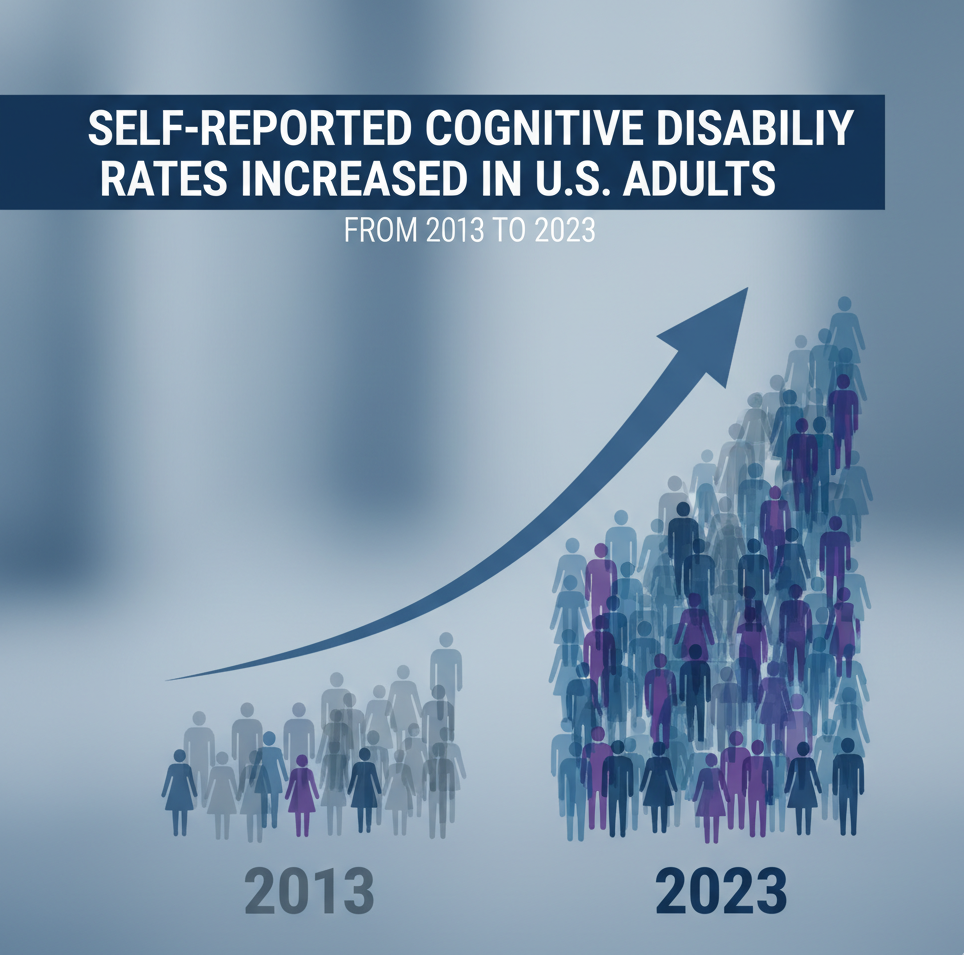
Self-Reported Cognitive Disability Rates Increased in U.S. Adults From 2013 to 2023

Cognitive Disability – Over the past decade, the prevalence of self-reported cognitive disability among U.S. adults has risen markedly, highlighting a potentially growing public health concern. A recent study published in Neurology examined data from the Centers for Disease Control and Prevention’s Behavioral Risk Factor Surveillance System (BRFSS) spanning 2013 to 2023 (excluding 2020) and found that cognitive disability

Cognitive

Childhood Loneliness Linked to Cognitive Decline in Adulthood

Introduction: Childhood Loneliness as a Public Health Concern

Childhood loneliness—defined as the subjective feeling of social isolation, disconnection, or lack of companionship during early development—has been increasingly recognized as a risk factor with long-term implications for mental and cognitive health. While loneliness is often seen as an emotional issue of childhood, research now indicates that its effects can extend well into adulthood, influencing brain function and increasing vulnerability to cognitive decline. Understanding this connection is critical for developing early interventions that safeguard cognitive aging and promote lifelong mental well-being.

Gabapentin

Popular Chronic Pain Med, Gabapentin, Linked To Dementia Risk

Popular Chronic – Gabapentin is a commonly prescribed medication initially developed to treat seizures. Over the years, its use has expanded dramatically to include the treatment of chronic pain, especially nerve-related pain, as well as conditions like anxiety, sleep disorders, and restless leg syndrome. Due to its perceived low risk for abuse compared to opioids, gabapentin has become a popular alternative for long-term pain management.

Alzheimers

Safe for Use in Memory Clinics

Leqembi Found Safe for Use in Memory Clinics: A Step Forward in Alzheimer’s Treatment Accessibility. Leqembi (lecanemab), a monoclonal antibody developed by Eisai and Biogen, has recently been recognized as safe for use in memory clinics, marking a significant advancement in the treatment of early-stage Alzheimer’s disease

Scroll to Top