
Introduction
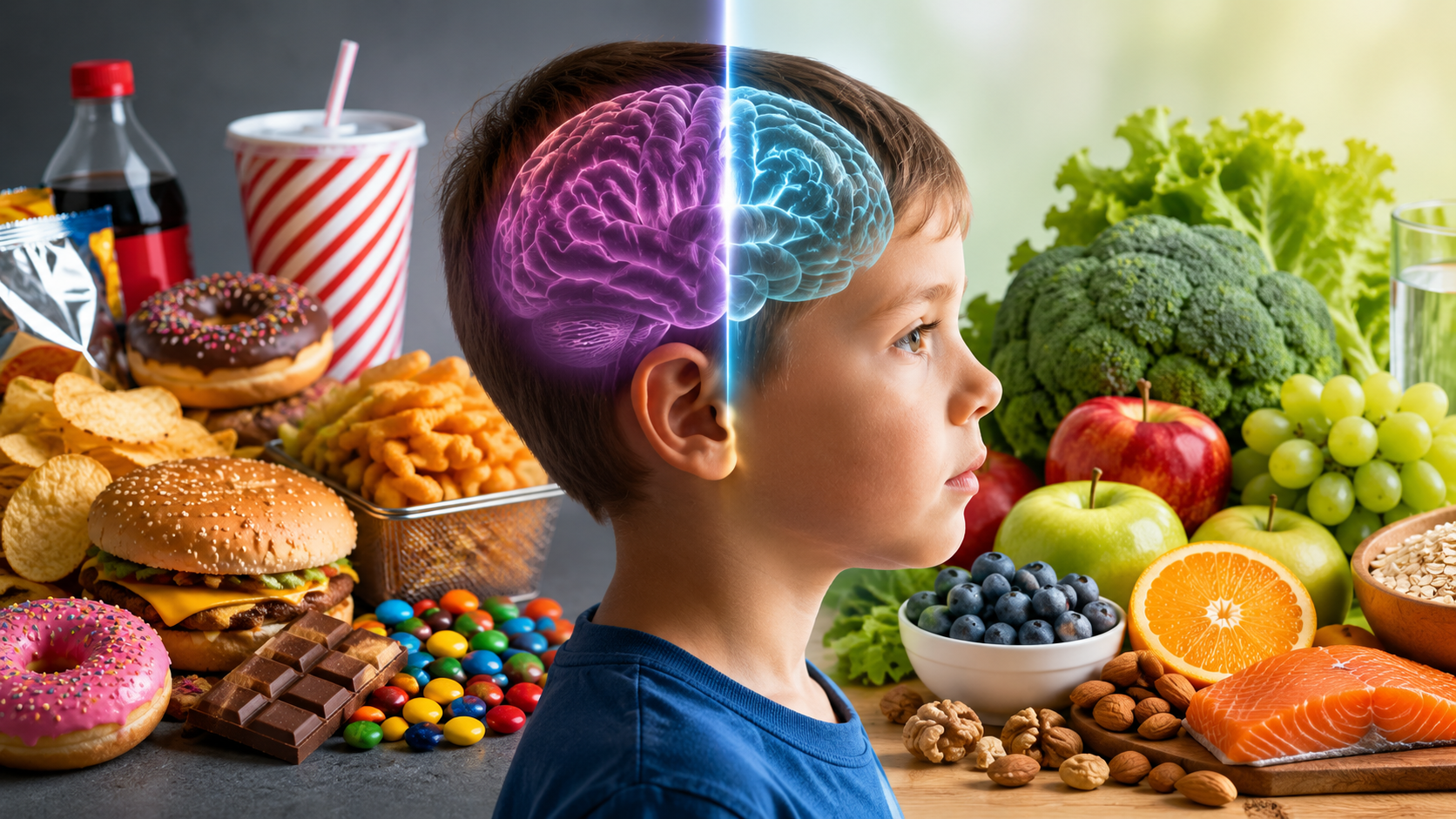
A growing body of research suggests that diet plays a crucial role in early childhood brain development. A recent study has found that higher consumption of ultra-processed foods (UPFs) may be associated with differences in brain structure and development among young children. While the findings do not prove that ultra-processed foods directly cause these brain changes, they highlight the importance of healthy nutrition during the critical years of brain growth.
The study adds to increasing evidence linking diets high in processed foods with poorer physical, cognitive, and emotional health outcomes in children.
What Are Ultra-Processed Foods?
Ultra-processed foods are industrially manufactured products that typically contain ingredients rarely used in home cooking. These foods often include artificial flavors, preservatives, sweeteners, colorings, emulsifiers, and refined sugars or fats.
Common examples include:
- Sugary breakfast cereals
- Packaged snacks and chips
- Soft drinks
- Candy
- Instant noodles
- Fast food
- Frozen ready-to-eat meals
- Sweetened yogurt products
- Processed baked goods
These products are generally convenient but tend to be high in calories, sugar, sodium, and unhealthy fats while providing limited nutritional value.
Study Findings
Researchers examined dietary habits alongside brain imaging data from young children.
The study found that children who consumed larger amounts of ultra-processed foods showed measurable differences in certain brain regions involved in:
- Learning
- Memory
- Attention
- Emotional regulation
- Decision-making
Although the observed differences were relatively small, researchers believe they may have important implications because early childhood is a period of rapid brain development.
The study identified an association rather than a direct cause-and-effect relationship.
Why Early Childhood Nutrition Matters
During the first several years of life, the brain develops rapidly.
Healthy nutrition supports:
- Formation of new brain cells
- Development of neural connections
- Healthy brain growth
- Learning ability
- Language development
- Emotional regulation
Nutrient deficiencies or diets dominated by highly processed foods may interfere with these developmental processes.
Possible Reasons for the Link
Researchers suggest several explanations for the association between ultra-processed foods and brain differences.
Poor Nutritional Quality
Ultra-processed foods often lack nutrients essential for brain development, including:
- Omega-3 fatty acids
- Iron
- Zinc
- Choline
- B vitamins
- High-quality protein
Excess Sugar
High sugar intake may contribute to inflammation and metabolic changes that can affect brain function.
Unhealthy Fats
Many processed foods contain unhealthy fats that may negatively influence brain development compared with healthier unsaturated fats.
Food Additives
Scientists continue to investigate whether certain preservatives, artificial colors, and other additives may influence neurological development.
Potential Health Consequences
Children who regularly consume large amounts of ultra-processed foods may face increased risks of:
- Childhood obesity
- Type 2 diabetes
- High blood pressure
- Poor concentration
- Behavioral difficulties
- Reduced academic performance
- Emotional challenges
A healthy dietary pattern can support both physical growth and cognitive development.
Conclusion
The latest research suggests that greater consumption of ultra-processed foods is associated with measurable brain differences in young children. While the study does not establish a direct cause-and-effect relationship, it reinforces the importance of providing nutrient-rich diets during early childhood, when the brain undergoes rapid development. Encouraging whole, minimally processed foods and reducing reliance on highly processed products may support healthier brain growth, improved learning, and better long-term physical and mental health outcomes for children.