
Introduction
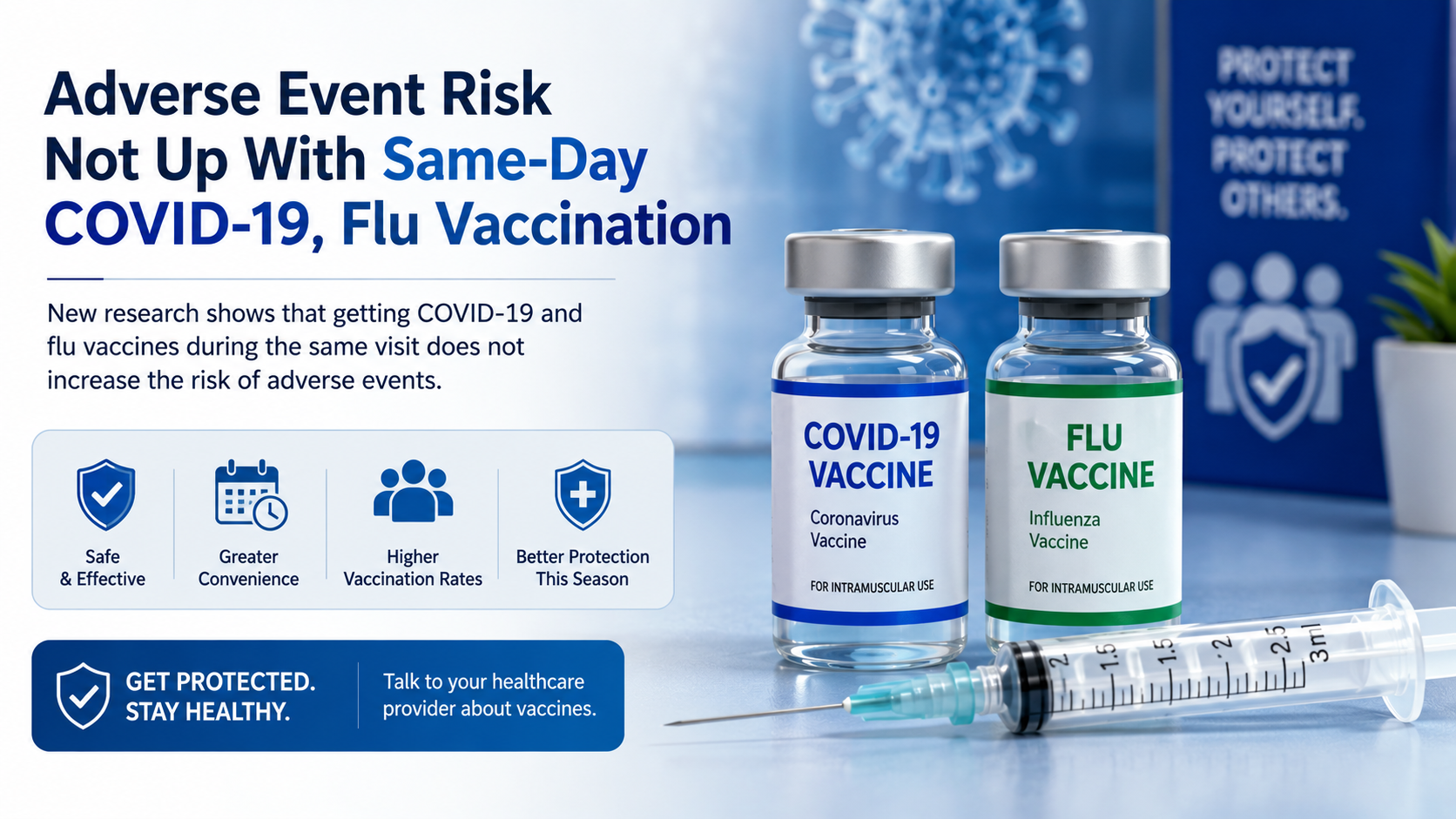
Receiving both the COVID-19 vaccine and the seasonal influenza (flu) vaccine during the same healthcare visit has become a practical approach to improving vaccination coverage and protecting individuals against two serious respiratory illnesses. Some people have expressed concerns that getting both vaccines on the same day could increase the likelihood of side effects or adverse events. However, recent research indicates that same-day administration of COVID-19 and influenza vaccines does not significantly increase the risk of adverse events compared with receiving the vaccines separately.
These findings provide reassurance for healthcare providers and patients while supporting public health efforts to improve vaccine uptake and simplify immunization schedules.
Why Co-Administration Is Recommended
Both COVID-19 and influenza can cause severe illness, hospitalization, and death, particularly among older adults, pregnant women, individuals with chronic diseases, and those with weakened immune systems.
Administering both vaccines during a single appointment offers several benefits:
- Greater convenience for patients
- Fewer healthcare visits
- Increased vaccination rates
- Reduced healthcare costs
- Improved protection before respiratory virus season
Public health organizations have increasingly supported co-administration when both vaccines are due.
Study Highlights
Researchers evaluated adverse events among individuals who received the COVID-19 vaccine and influenza vaccine during the same healthcare visit.
The study compared rates of side effects between people who received both vaccines simultaneously and those who received the vaccines on separate occasions.
Investigators monitored participants for common vaccine reactions as well as medically significant adverse events following immunization.
The findings showed no meaningful increase in serious adverse events associated with receiving both vaccines on the same day.
Common Side Effects
As expected, participants experienced the usual mild reactions commonly associated with vaccination.
These included:
- Pain or soreness at the injection site
- Mild swelling or redness
- Fatigue
- Headache
- Muscle aches
- Low-grade fever
- Chills
Most symptoms appeared within one or two days after vaccination and resolved without medical treatment.
Researchers found that these reactions were generally similar whether vaccines were administered together or separately.
Serious Adverse Events
One of the primary goals of the study was to determine whether simultaneous vaccination increased the risk of serious complications.
The results showed no evidence of higher rates of:
- Hospitalization
- Severe allergic reactions
- Neurological complications
- Cardiovascular events
- Other serious vaccine-related adverse events
These findings reinforce the safety of receiving both vaccines during the same appointment.
Benefits for Public Health
Co-administering COVID-19 and influenza vaccines can significantly improve public health outcomes.
Higher vaccination coverage may help reduce:
- Influenza infections
- COVID-19 infections
- Hospital admissions
- Intensive care unit admissions
- Healthcare system burden during respiratory virus seasons
Offering both vaccines together also makes it easier for individuals to stay up to date with recommended immunizations.
Conclusion
Current evidence suggests that receiving COVID-19 and influenza vaccines during the same healthcare visit does not increase the risk of adverse events compared with receiving them separately. Most side effects remain mild and short-lived, while serious complications continue to be rare. Same-day vaccination provides a convenient and effective strategy for protecting individuals against two important respiratory diseases, improving vaccination coverage, and supporting public health efforts during flu and COVID-19 seasons.