Introduction
Microplastics—tiny plastic particles less than 5 millimeters in size—have become a growing concern for scientists and health experts. These particles are found in the air we breathe, the water we drink, and even the food we eat. Recent research suggests that microplastics may not only harm the environment but could also pose serious risks to human health, including an increased risk of heart attacks.
What Are Microplastics?
Microplastics are small fragments that come from the breakdown of larger plastic items or are intentionally manufactured for use in products like cosmetics and industrial materials. Because they are so tiny, they can easily enter the human body through ingestion, inhalation, or even skin contact in some cases.
Studies have detected microplastics in human blood, lungs, liver, placenta, and even the heart. This widespread presence has raised concerns about their long-term effects on health.
How Could They Affect the Heart?
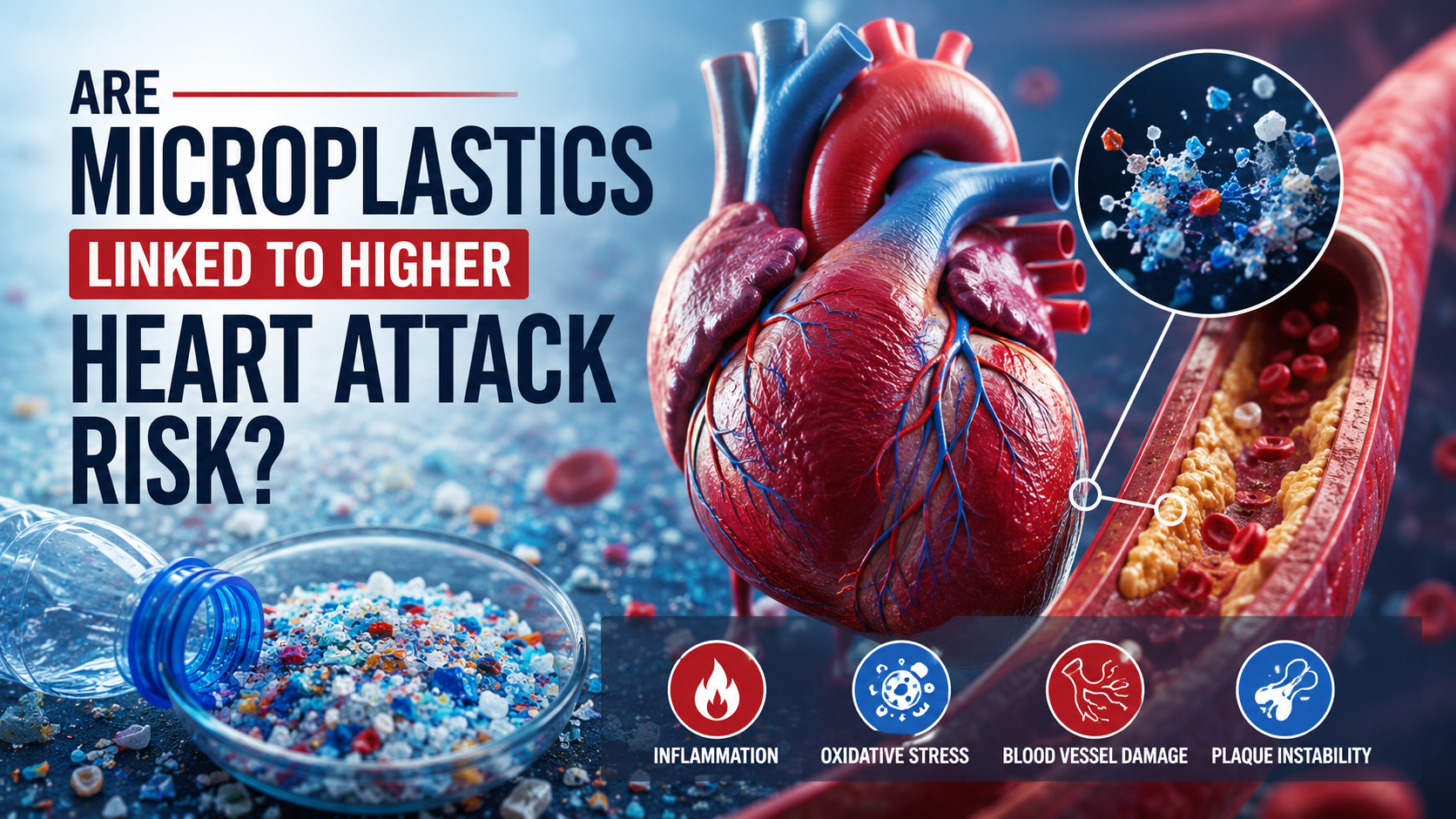
Researchers believe that microplastics may contribute to cardiovascular disease through several mechanisms:
1. Inflammation
Once inside the body, microplastics can trigger chronic inflammation. Persistent inflammation is a well-known risk factor for heart disease because it can damage blood vessels and promote the buildup of plaque in arteries.
2. Oxidative Stress
Microplastics may increase the production of harmful molecules called free radicals. This oxidative stress damages cells and tissues, including those that line blood vessels, making them more susceptible to disease.
3. Blood Vessel Damage
Some laboratory studies suggest that microplastics can interfere with normal blood vessel function, reducing their ability to expand and contract properly. Poor vascular function can increase blood pressure and contribute to heart attacks.
4. Plaque Instability
Scientists have found microplastic particles inside fatty plaques removed from clogged arteries during surgery. Their presence may make these plaques more unstable, increasing the chance that they rupture and form dangerous blood clots that can trigger heart attacks or strokes.

What Does the Research Say?
Several recent studies have strengthened the possible connection between microplastics and cardiovascular disease. Researchers have discovered plastic particles in arterial plaque samples from patients undergoing carotid artery surgery. Individuals whose plaques contained microplastics appeared to have a higher risk of experiencing major cardiovascular events, such as heart attacks, strokes, or death during follow-up.
While these findings are concerning, experts emphasize that the research is still developing. Most studies show an association rather than proving that microplastics directly cause heart attacks. More long-term research is needed to understand exactly how these particles affect the cardiovascular system.
Who May Be Most at Risk?
People have mixed feelings about AI recreations of loved ones. Some see them as comforting memorials that keep memories alive, while others believe they blur the line between remembrance and reality. Cultural beliefs, religious values, and personal experiences with grief all influence how individuals view this technology.
How Can You Reduce Exposure?
Although it is impossible to eliminate microplastic exposure completely, you can reduce it by:
- Drinking filtered water when possible.
- Limiting the use of single-use plastic bottles and food containers.
- Avoiding heating food in plastic containers, especially in microwaves.
- Choosing fresh foods over highly processed or heavily packaged products.
- Vacuuming and dusting regularly to reduce indoor plastic particles.
- Using glass, stainless steel, or ceramic containers for food storage.
Conclusion
Current evidence suggests that microplastics may be linked to a higher risk of heart attacks and other cardiovascular diseases by promoting inflammation, oxidative stress, and blood vessel damage. However, scientists have not yet confirmed a direct cause-and-effect relationship. As research continues, reducing unnecessary exposure to microplastics is a sensible precaution that may benefit both your cardiovascular health and the environment.
Adopting a heart-healthy lifestyle—including regular exercise, a balanced diet, maintaining healthy blood pressure and cholesterol levels, and avoiding smoking—remains the most effective way to reduce your overall risk of heart disease.