Introduction
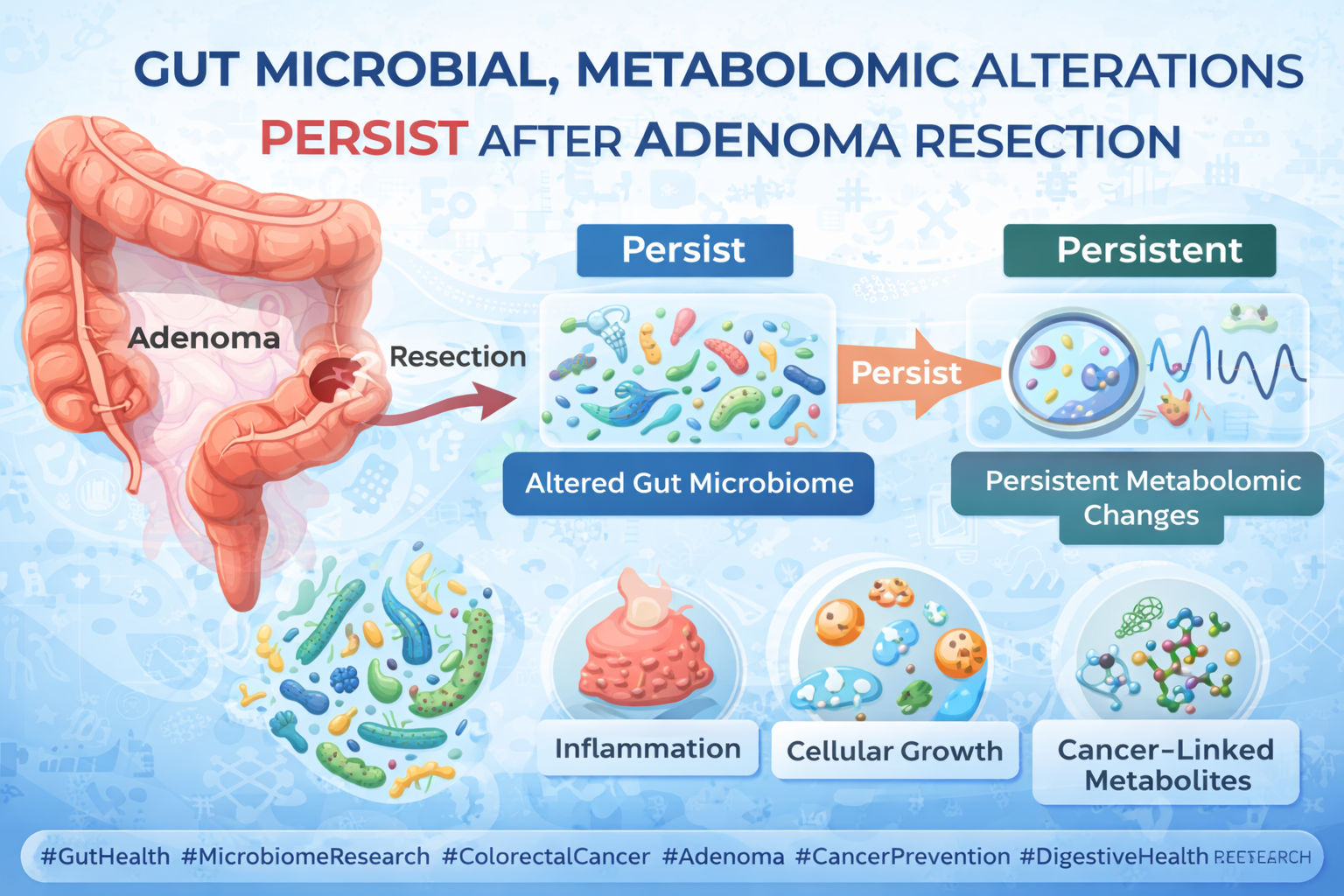
A new study has found that significant changes in gut microbes and metabolic activity may persist even after the surgical removal of colorectal adenomas. Adenomas, also known as precancerous polyps, are growths that develop in the lining of the colon and rectum and can potentially progress to colorectal cancer if left untreated. While adenoma resection is an effective preventive measure, the latest findings suggest that underlying biological changes associated with these lesions may continue long after their removal.
The research sheds light on the complex relationship between the gut microbiome, metabolism, and colorectal cancer risk, emphasizing the need for ongoing monitoring and preventive strategies even after successful treatment.
Understanding Adenomas and Colorectal Cancer
Colorectal cancer is one of the most common cancers worldwide. Most cases develop gradually from adenomatous polyps that form in the colon or rectum over many years. Detecting and removing these polyps through colonoscopy significantly reduces the risk of cancer development.
Traditionally, the removal of adenomas has been viewed as a successful intervention that eliminates the immediate threat. However, researchers are increasingly recognizing that the biological environment that contributed to adenoma formation may not disappear after the polyp is removed.
The Role of the Gut Microbiome
The human digestive tract contains trillions of microorganisms collectively known as the gut microbiome. These bacteria, fungi, viruses, and other microbes play essential roles in digestion, immune function, nutrient absorption, and overall health.
Previous studies have linked disruptions in the gut microbiome, known as dysbiosis, to numerous diseases, including colorectal cancer. Certain bacterial species may promote inflammation, DNA damage, and tumor growth, while others help protect the intestinal lining and support healthy immune responses.
The new study examined whether these microbial changes return to normal after adenoma removal.
Key Findings of the Study
Researchers analyzed stool samples and metabolic profiles from individuals who had undergone adenoma resection. The results revealed that many microbial and metabolomic alterations remained present even after the adenomas were removed.
Several bacterial populations associated with colorectal cancer risk continued to show abnormal levels compared with healthy individuals. At the same time, beneficial microbes that support gut health remained reduced in some participants.
In addition, metabolic analyses identified persistent differences in the production of certain compounds involved in inflammation, cellular signaling, and energy metabolism.
These findings suggest that adenoma removal alone may not completely restore a healthy gut environment.
Metabolomics and Why It Matters
Metabolomics is the study of small molecules, known as metabolites, that are produced during biological processes. These compounds provide important insights into how cells, tissues, and microorganisms function.
The study found ongoing alterations in metabolites linked to:
- Inflammation
- Oxidative stress
- Cellular growth
- Immune responses
- Cancer-related pathways
Persistent metabolic abnormalities may indicate that the biological conditions associated with adenoma development continue even after the visible lesion has been eliminated.
The Importance of Diet and Lifestyle
Diet plays a major role in shaping the gut microbiome. Consuming a diet rich in:
- Fruits
- Vegetables
- Whole grains
- Fiber-rich foods
can support beneficial bacteria and promote gut health.
Conversely, diets high in processed foods, red meat, and excess sugar may contribute to microbial imbalances associated with colorectal disease.
Regular physical activity, maintaining a healthy weight, limiting alcohol consumption, and avoiding tobacco use can also support long-term colon health.
Conclusion
The discovery that gut microbial and metabolomic alterations persist after adenoma resection highlights the complexity of colorectal cancer prevention. While removing precancerous polyps remains a highly effective strategy, the underlying biological environment associated with adenoma formation may continue to exist. These findings emphasize the importance of ongoing surveillance, healthy lifestyle choices, and future microbiome-based approaches aimed at reducing long-term colorectal cancer risk and improving patient outcomes.