Everyday Chemist

Battery metals

Battery metals (e.g., lithium, cobalt, nickel for EVs)

Battery metals are essential raw materials used in the production of rechargeable batteries, particularly lithium-ion batteries that power electric vehicles (EVs), consumer electronics, and energy storage systems. Among these, lithium, cobalt, and nickel are the most critical due to their unique electrochemical properties that enhance battery performance, energy density, and longevity.

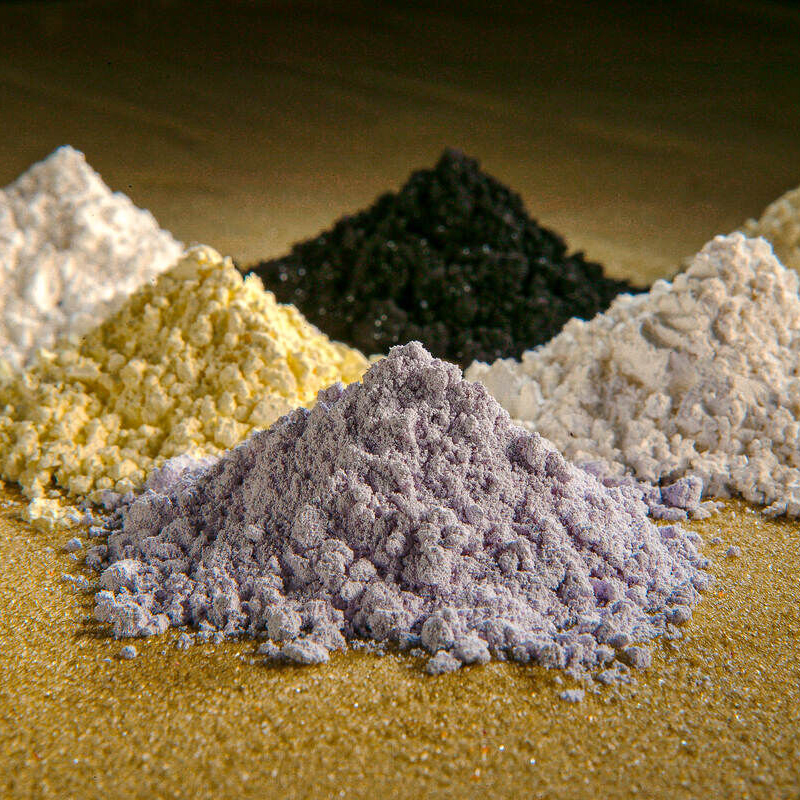
Neodymium

Rare Earth Elements (e.g., Neodymium, Dysprosium)

Rare earth elements (REEs) are a group of 17 metallic elements, including the 15 lanthanides plus scandium and yttrium. These elements are critical in modern technology due to their unique chemical and physical properties. Among the most notable REEs are neodymium and dysprosium, which are essential for high-performance magnets, electronics, and clean energy solutions.

Fertilizers

Fertilizers: Ammonia, Urea, and Phosphates

Fertilizers are substances that provide essential nutrients to plants, enhancing their growth and productivity. They are widely used in agriculture to replenish soil nutrients, ensuring high crop yields and sustainable farming practices. Among the various types of fertilizers, ammonia, urea

Scroll to Top