Hydrogen Economy and the Role of Green and Blue Hydrogen
The hydrogen economy is an emerging energy system in which hydrogen plays a central role in powering industries, transportation, and electricity generation. Hydrogen is a clean energy carrier, producing only water as a byproduct when used in fuel cells or combustion. It is considered a key solution for reducing carbon emissions and transitioning to a sustainable energy future.

Experimental Drug Found to Slow Progression of MS-Related Disability
A new experimental drug is showing promise in slowing the progression of disability in individuals with multiple sclerosis (MS), according to recent findings from a large clinical trial. The results have sparked optimism among patients, neurologists, and researchers alike, as current treatment options for MS often focus primarily on managing symptoms rather than significantly altering the course of the disease.

Drug intermediates and raw materials
Drug intermediates and raw materials are foundational components in the pharmaceutical manufacturing process. They form the essential building blocks from which active pharmaceutical ingredients (APIs) and, ultimately, finished drug products are developed. Understanding these components is crucial to grasping how modern pharmaceuticals are created, the complexity of their production, and the global nature of the pharmaceutical supply chain.
Expert Warns Federal Funding Cuts Could Devastate Medical Research
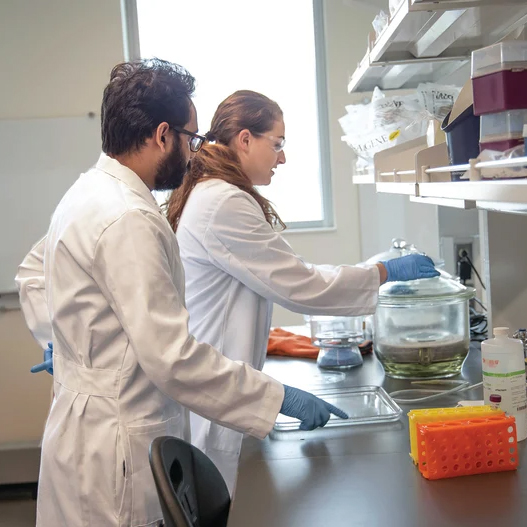
A leading medical research expert has issued a stark warning that proposed federal funding cuts could have devastating consequences for the future of medical innovation, disease treatment, and public health advancements in the United States.

Biotechnology and Enzyme-Based Products
Biotechnology is a broad field that utilizes biological systems, organisms, or derivatives to develop or create new products and technologies. It encompasses a range of disciplines including genetics, microbiology, molecular biology, and biochemistry. A particularly vital area of biotechnology is the use of enzymes—biological catalysts that accelerate chemical reactions without being consumed. Enzyme-based products have found widespread application in various industries due to their efficiency, specificity, and eco-friendly nature.

Vaccine production and distribution
Vaccine production and distribution is a critical aspect of global public health, aiming to prevent the spread of infectious diseases and protect populations from potential outbreaks. The process is complex and multi-phased, involving scientific research, stringent testing, regulatory approvals, large-scale manufacturing, and widespread logistical coordination.

Pharmaceutical & Biochemical Trading
Pharmaceutical and biochemical trading is a critical sector within the global healthcare and life sciences industries, encompassing the exchange of medicinal products, raw materials, active pharmaceutical ingredients (APIs), biotechnology compounds, and specialized chemicals used in research, diagnostics, and treatment. This complex and highly regulated market plays a pivotal role in ensuring access to essential drugs and therapies, fostering innovation, and supporting public health around the world.
Recycling and circular economy materials
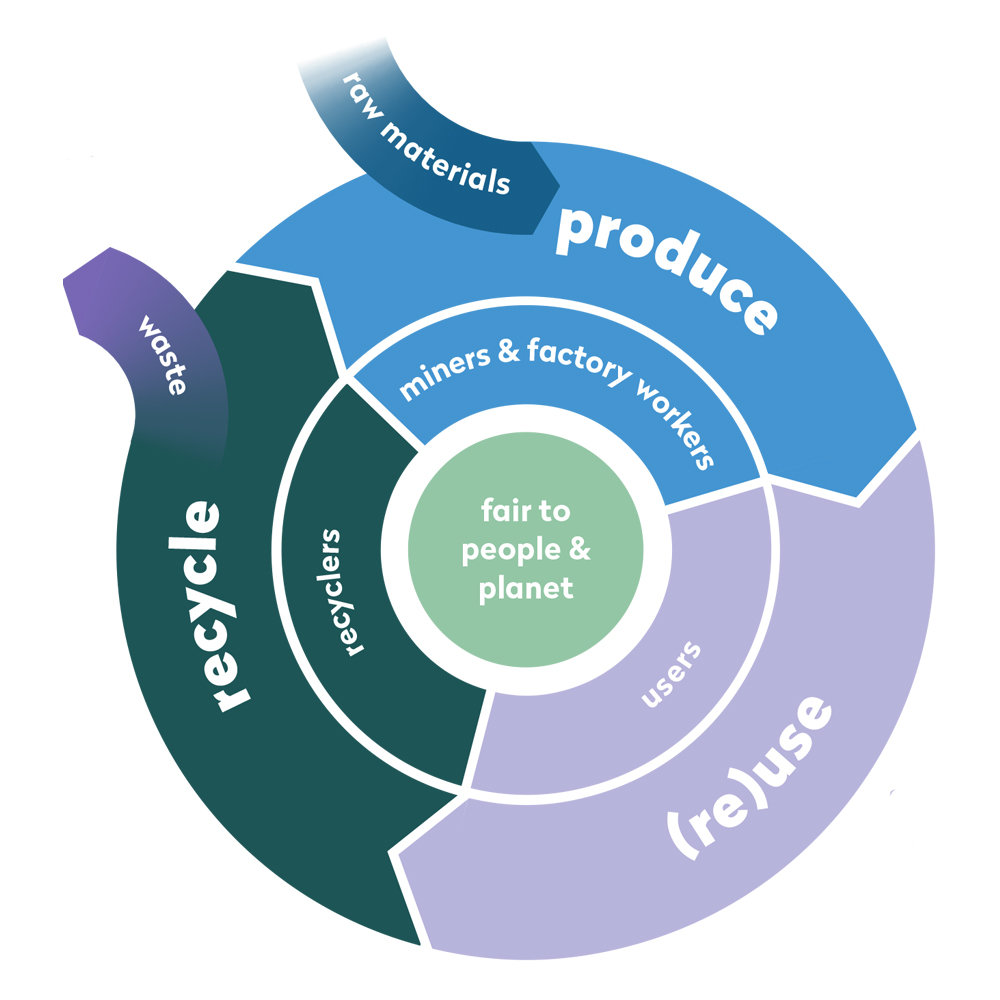
In a world increasingly aware of environmental challenges, the concepts of recycling and the circular economy have emerged as key strategies for promoting sustainability. At the heart of these approaches lies the goal of minimizing waste, conserving resources, and rethinking how materials are used throughout their life cycle. Rather than following the traditional linear model of “take-make-dispose,” the circular economy emphasizes a regenerative system in which products and materials are kept in use for as long as possible, through reuse, refurbishment, and recycling.
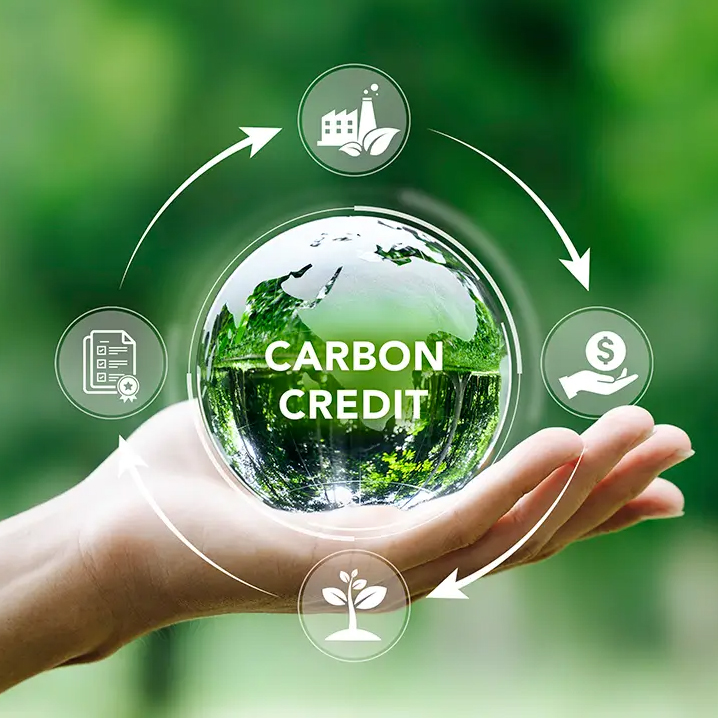
Carbon Credits and Emissions Trading: A Comprehensive Overview
Carbon credits and emissions trading are key mechanisms in global efforts to combat climate change by reducing greenhouse gas (GHG) emissions. These market-based approaches incentivize companies and countries to limit their carbon footprint while promoting sustainable practices. By allowing the trade of emissions allowances, these systems encourage efficiency and innovation in carbon reduction strategies.
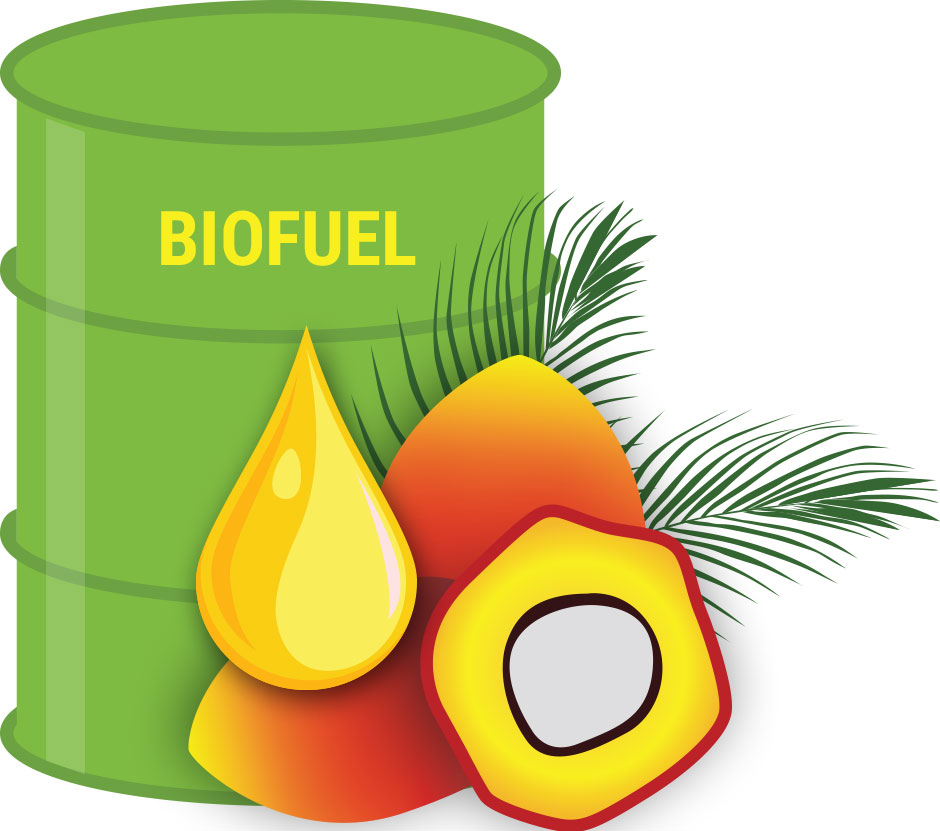
Biofuels: Sustainable Energy Alternatives
Biofuels are renewable energy sources derived from biological materials such as plants, algae, and animal fats. They serve as an alternative to traditional fossil fuels like gasoline and diesel, helping to reduce greenhouse gas emissions and dependence on non-renewable resources. The most common types of biofuels include ethanol and biodiesel, which are widely used in transportation and industrial applications.

Crude oil and refined products
Crude oil is a naturally occurring, unrefined petroleum product composed of hydrocarbon deposits and other organic materials. It is a fossil fuel that is extracted from the earth through drilling

Battery metals (e.g., lithium, cobalt, nickel for EVs)
Battery metals are essential raw materials used in the production of rechargeable batteries, particularly lithium-ion batteries that power electric vehicles (EVs), consumer electronics, and energy storage systems. Among these, lithium, cobalt, and nickel are the most critical due to their unique electrochemical properties that enhance battery performance, energy density, and longevity.

Precious Metals: Gold, Silver, and Platinum for Catalysts
Precious metals are rare, naturally occurring metallic elements with high economic value due to their unique physical and chemical properties.

Rare Earth Elements (e.g., Neodymium, Dysprosium)
Rare earth elements (REEs) are a group of 17 metallic elements, including the 15 lanthanides plus scandium and yttrium. These elements are critical in modern technology due to their unique chemical and physical properties. Among the most notable REEs are neodymium and dysprosium, which are essential for high-performance magnets, electronics, and clean energy solutions.

Pharmaceuticals and Active Pharmaceutical Ingredients (APIs)
Pharmaceuticals play a crucial role in modern healthcare by providing treatments for a wide range of diseases and medical conditions. These medicinal products consist of active and inactive ingredients, with the Active Pharmaceutical Ingredients (APIs) being the essential components responsible for the therapeutic effects.

Specialty Chemicals: Polymers, Surfactants, and Adhesives
Specialty chemicals, also known as performance chemicals, are unique chemical products designed for specific applications in industries such as pharmaceuticals, agriculture, automotive, electronics, and construction. Unlike commodity chemicals, which are produced in large volumes

Fertilizers: Ammonia, Urea, and Phosphates
Fertilizers are substances that provide essential nutrients to plants, enhancing their growth and productivity. They are widely used in agriculture to replenish soil nutrients, ensuring high crop yields and sustainable farming practices. Among the various types of fertilizers, ammonia, urea
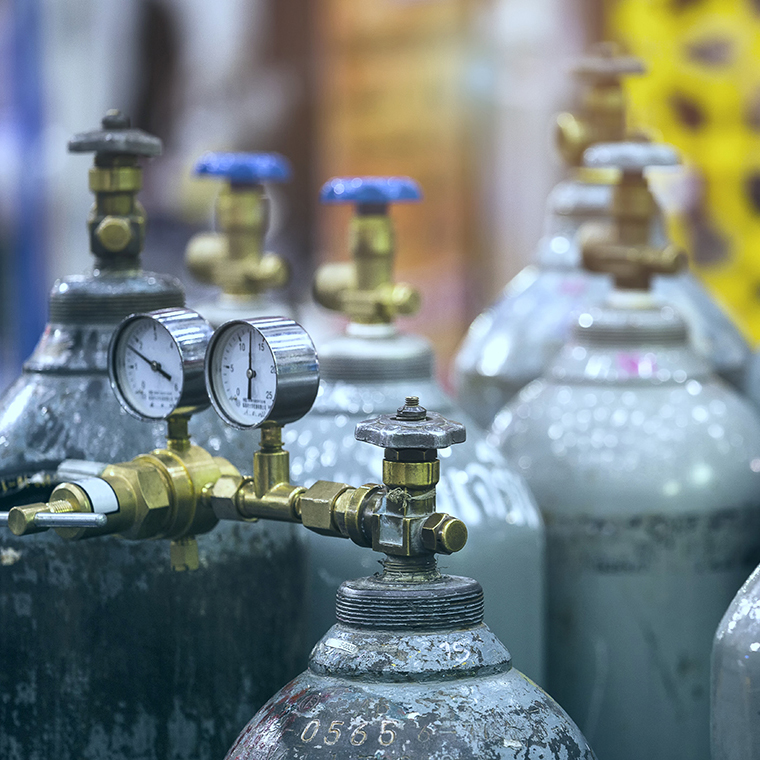
Industrial Gases: Oxygen, Nitrogen, and Hydrogen in Chemical Commodities Trading
Industrial gases, including oxygen (O₂), nitrogen (N₂), and hydrogen (H₂), are essential commodities in multiple industries such as manufacturing, healthcare, energy, and electronics.