
Introduction
Living with advanced cancer presents many physical, emotional, and practical challenges. Patients often experience symptoms such as pain, fatigue, anxiety, depression, and difficulty managing daily activities. Frequent communication with healthcare providers is essential, but regular hospital visits can be exhausting and time-consuming. A new generation of smartphone applications is helping bridge this gap by providing patients with tools to monitor symptoms, access support, and stay connected with their care teams. Recent research suggests that these digital health solutions can play a significant role in helping people with advanced cancer maintain a better quality of life.
How the Smartphone App Works
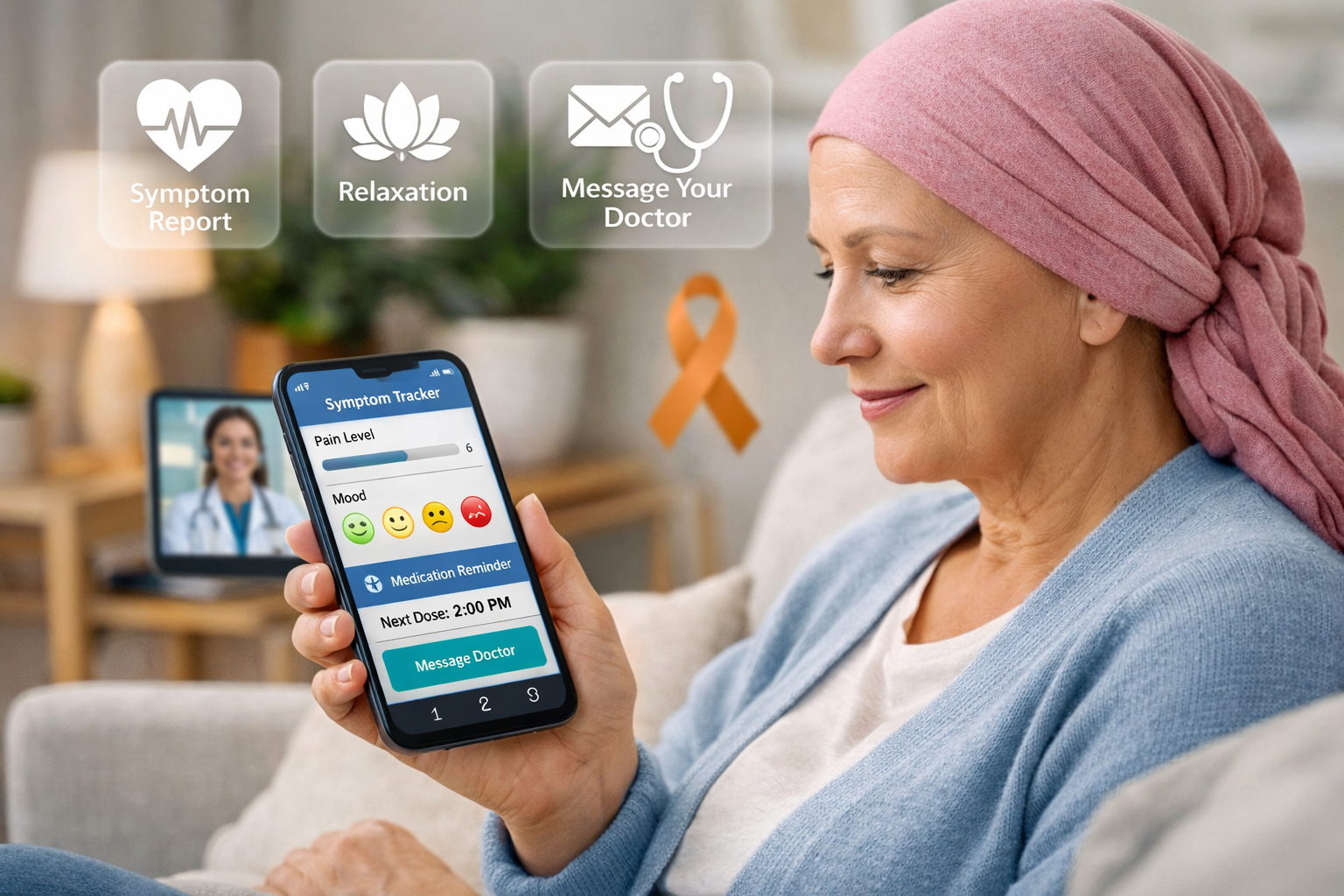
The smartphone app was designed specifically for individuals living with advanced cancer. It allows patients to regularly record information about their symptoms, mood, energy levels, medication use, and overall well-being. The app can also send reminders for medications, appointments, and symptom assessments.
Patients can report concerns directly through the platform, enabling healthcare professionals to monitor their condition remotely. If a patient reports worsening symptoms, the care team can be alerted and provide timely interventions before problems become severe.
Many versions of these apps also include educational resources, coping strategies, and access to supportive care services, empowering patients to take a more active role in managing their health.
Improving Symptom Management
One of the most significant benefits of the smartphone app is its ability to improve symptom management. Advanced cancer patients frequently experience symptoms that fluctuate over time. Traditional clinic visits may not capture these changes accurately because appointments are often weeks apart.
By recording symptoms daily or weekly, patients create a continuous health record that gives healthcare providers a clearer picture of their condition. This information allows doctors and nurses to adjust treatments more quickly and address issues such as pain, nausea, shortness of breath, or sleep disturbances before they significantly impact quality of life.
Early identification of symptoms can reduce emergency department visits and hospitalizations, helping patients remain more comfortable at home.
Supporting Emotional Well-Being
Cancer affects more than just physical health. Many patients experience emotional distress, fear, anxiety, and feelings of isolation. Smartphone applications can provide valuable psychological support by offering relaxation exercises, mindfulness techniques, educational content, and access to counseling resources.
Some apps include mood tracking features that help identify patterns of emotional distress. Healthcare providers can use this information to recommend appropriate mental health support when needed.
Knowing that their care team is actively monitoring their condition can also provide reassurance and reduce anxiety, helping patients feel more supported throughout their cancer journey.
Enhancing Communication with Healthcare Teams
Effective communication between patients and healthcare providers is essential for high-quality cancer care. The smartphone app creates a direct communication channel that allows patients to report concerns without waiting for their next appointment.
This improved communication helps healthcare professionals respond more quickly to emerging problems. Patients feel more engaged in their treatment plans and gain confidence that their concerns are being heard.
Family members and caregivers may also benefit from improved coordination of care, as timely updates and recommendations can help them better support their loved ones.
Promoting Independence and Empowerment
Many patients with advanced cancer wish to maintain as much independence as possible. Smartphone apps support this goal by providing easy access to health information, symptom tracking tools, and personalized recommendations.
Patients become active participants in their care rather than passive recipients of treatment. This sense of control can positively influence overall well-being and satisfaction with care.
The convenience of using a smartphone also means that patients can manage their health from home, reducing the burden associated with frequent travel to medical facilities.
Conclusion
The use of smartphone applications in advanced cancer care represents an important advancement in digital health. By improving symptom monitoring, supporting emotional well-being, enhancing communication with healthcare providers, and promoting patient empowerment, these tools can help individuals maintain a higher quality of life while living with advanced cancer. As technology continues to evolve, smartphone-based health solutions are likely to become an increasingly valuable component of comprehensive cancer care, offering patients greater support, comfort, and confidence throughout their treatment journey.