
Introduction
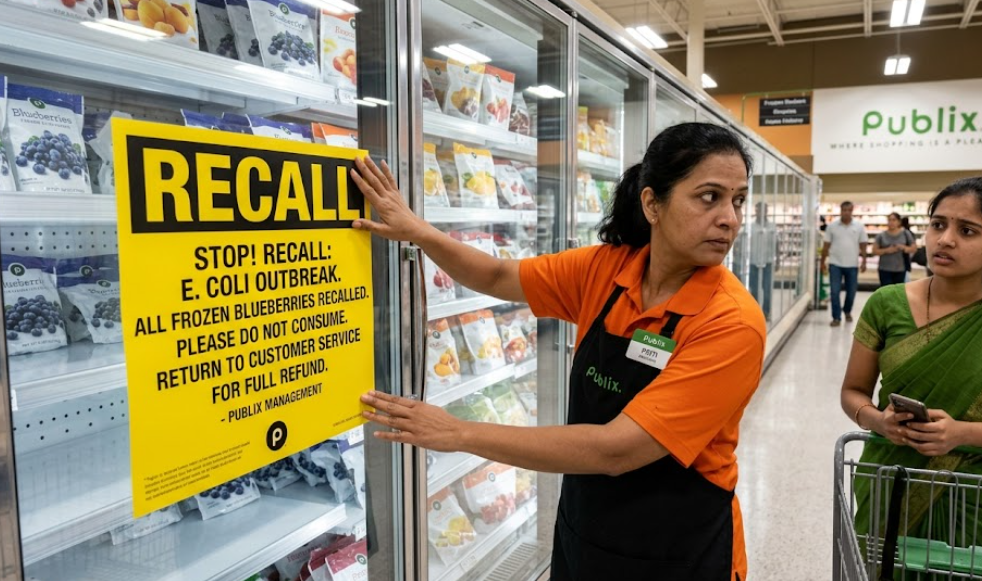
A recent E. coli outbreak has led to the recall of frozen blueberries sold at Publix supermarkets, raising concerns about food safety and the potential risks associated with contaminated frozen produce. Health officials are urging consumers to check their freezers for affected products and avoid consuming the recalled berries. The recall serves as an important reminder that frozen foods, while convenient and long-lasting, can still become contaminated with harmful bacteria.
What Is E. coli?
Escherichia coli (E. coli) is a group of bacteria commonly found in the intestines of humans and animals. While most strains are harmless and even beneficial for digestion, certain types—such as Shiga toxin-producing E. coli (STEC)—can cause serious foodborne illness.
People become infected after consuming contaminated food or water or through contact with infected individuals or animals. Fruits, vegetables, dairy products, undercooked meat, and frozen foods can all become contaminated if proper food safety practices are not followed.
Why Were the Blueberries Recalled?
The recall was initiated after health authorities linked frozen blueberries sold at Publix to an outbreak of E. coli infections. Routine investigations and laboratory testing identified a possible connection between reported illnesses and the recalled product.
As a precaution, consumers are advised not to eat the affected frozen blueberries. Instead, they should discard the product or return it to the store where it was purchased for a refund, following the retailer’s recall instructions.
Symptoms of E. coli Infection
Symptoms usually develop three to four days after exposure but may appear anywhere from one to ten days later.
Common symptoms include:
- Severe stomach cramps
- Diarrhea, which may become bloody
- Nausea
- Vomiting
- Mild fever
- Fatigue
- Loss of appetite
Most healthy adults recover within a week, but some infections can become severe.
Who Is Most at Risk?
Although anyone can become ill, certain groups are more likely to experience serious complications:
- Young children
- Older adults
- Pregnant women
- Individuals with weakened immune systems
One of the most serious complications is hemolytic uremic syndrome (HUS), a condition that can lead to kidney failure and requires immediate medical attention.
What Should Consumers Do?
If you have purchased frozen blueberries from Publix, check the packaging carefully against the recall information provided by the retailer or public health authorities.
Consumers should:
- Do not eat the recalled blueberries.
- Throw the product away or return it for a refund.
- Wash any containers or surfaces that may have come into contact with the berries.
- Monitor for symptoms if the product has already been consumed.
- Seek medical attention if severe diarrhea, bloody stools, dehydration, or persistent vomiting develops.
Conclusion
The recall of frozen blueberries at Publix highlights the importance of food safety and rapid public health response during outbreak investigations. Although frozen foods are generally safe, contamination can occur at various stages of production, packaging, or distribution.
Consumers should remain alert to food recall announcements, follow recommended safety guidance, and seek medical care if symptoms of E. coli infection develop. Staying informed and practicing proper food handling can significantly reduce the risk of foodborne illness and help protect the health of individuals and families.