
Introduction
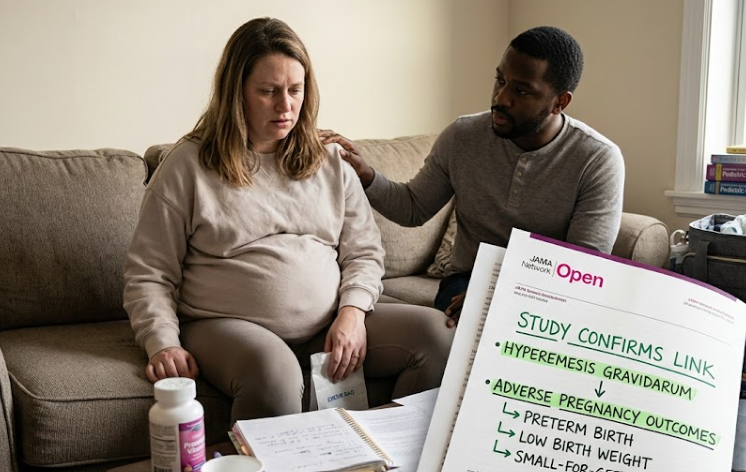
A new U.S. study has strengthened evidence that hyperemesis gravidarum (HG)—a severe form of nausea and vomiting during pregnancy—is associated with an increased risk of adverse pregnancy outcomes. While morning sickness is common and usually resolves on its own, hyperemesis gravidarum is a serious medical condition that can lead to dehydration, weight loss, nutritional deficiencies, and hospitalization. Researchers say the findings emphasize the importance of early diagnosis, close monitoring, and appropriate treatment to protect both maternal and fetal health.
What Is Hyperemesis Gravidarum?
Hyperemesis gravidarum is a pregnancy complication characterized by persistent, severe nausea and vomiting that goes far beyond typical morning sickness. Women with HG may struggle to keep food or fluids down, leading to dehydration and significant weight loss.
Unlike ordinary pregnancy-related nausea, HG often requires medical treatment and, in severe cases, hospitalization for intravenous (IV) fluids and nutritional support.
Key Findings of the U.S. Study
The study found that pregnant women diagnosed with hyperemesis gravidarum had a higher likelihood of experiencing several adverse pregnancy outcomes compared with women who did not develop the condition.
Researchers observed an increased risk of:
- Preterm birth
- Low birth weight
- Small-for-gestational-age infants
- Pregnancy complications requiring hospitalization
- Maternal nutritional deficiencies
- Dehydration and electrolyte imbalances
The findings suggest that careful prenatal monitoring may help reduce complications associated with severe pregnancy-related nausea and vomiting.
Why Hyperemesis Gravidarum Can Affect Pregnancy
Severe vomiting may prevent pregnant women from consuming enough calories, vitamins, minerals, and fluids needed to support healthy fetal development.
Potential consequences include:
- Poor maternal nutrition
- Dehydration
- Vitamin deficiencies
- Reduced weight gain during pregnancy
- Physical exhaustion
- Increased emotional stress
These factors may contribute to complications affecting both the mother and developing baby.
Symptoms of Hyperemesis Gravidarum
Common symptoms include:
- Persistent nausea throughout the day
- Frequent vomiting
- Inability to keep food or liquids down
- Weight loss exceeding 5% of pre-pregnancy body weight
- Dizziness or fainting
- Signs of dehydration
- Dark-colored urine
- Extreme fatigue
Women experiencing these symptoms should seek medical care promptly.
Who Is at Higher Risk?
Although HG can affect any pregnant woman, certain factors may increase the risk:
- Previous pregnancy with hyperemesis gravidarum
- Family history of HG
- Multiple pregnancy (twins or triplets)
- First pregnancy
- History of motion sickness or migraines
Researchers continue studying genetic and hormonal factors that may contribute to the condition.
Treatment Options
Early treatment can improve both maternal health and pregnancy outcomes. Depending on the severity, treatment may include:
- Anti-nausea medications
- IV fluids for dehydration
- Electrolyte replacement
- Vitamin supplementation
- Nutritional counseling
- Hospitalization in severe cases
Healthcare providers may also monitor fetal growth more closely throughout pregnancy.
Emotional Impact on Mothers
Hyperemesis gravidarum affects more than physical health. Many women experience anxiety, depression, isolation, and emotional distress due to prolonged illness. Daily activities, work, and family responsibilities may become difficult to manage.
Mental health support, counseling, and family assistance can play an important role in recovery.
Importance of Early Diagnosis
Experts stress that hyperemesis gravidarum should never be dismissed as “normal morning sickness.” Early recognition allows healthcare providers to begin treatment before dehydration and nutritional deficiencies become severe.
Regular prenatal visits enable doctors to monitor maternal weight, hydration status, and fetal growth while adjusting treatment plans as needed.
Conclusion
The new U.S. study reinforces that hyperemesis gravidarum is a serious pregnancy complication linked to increased risks for both mothers and babies. Early diagnosis, proper medical care, nutritional support, and ongoing prenatal monitoring can significantly improve outcomes.
Pregnant women experiencing severe nausea and vomiting should seek medical advice promptly rather than attempting to manage symptoms alone. With timely intervention and comprehensive care, many women with hyperemesis gravidarum go on to have healthy pregnancies and healthy babies.