
Introduction
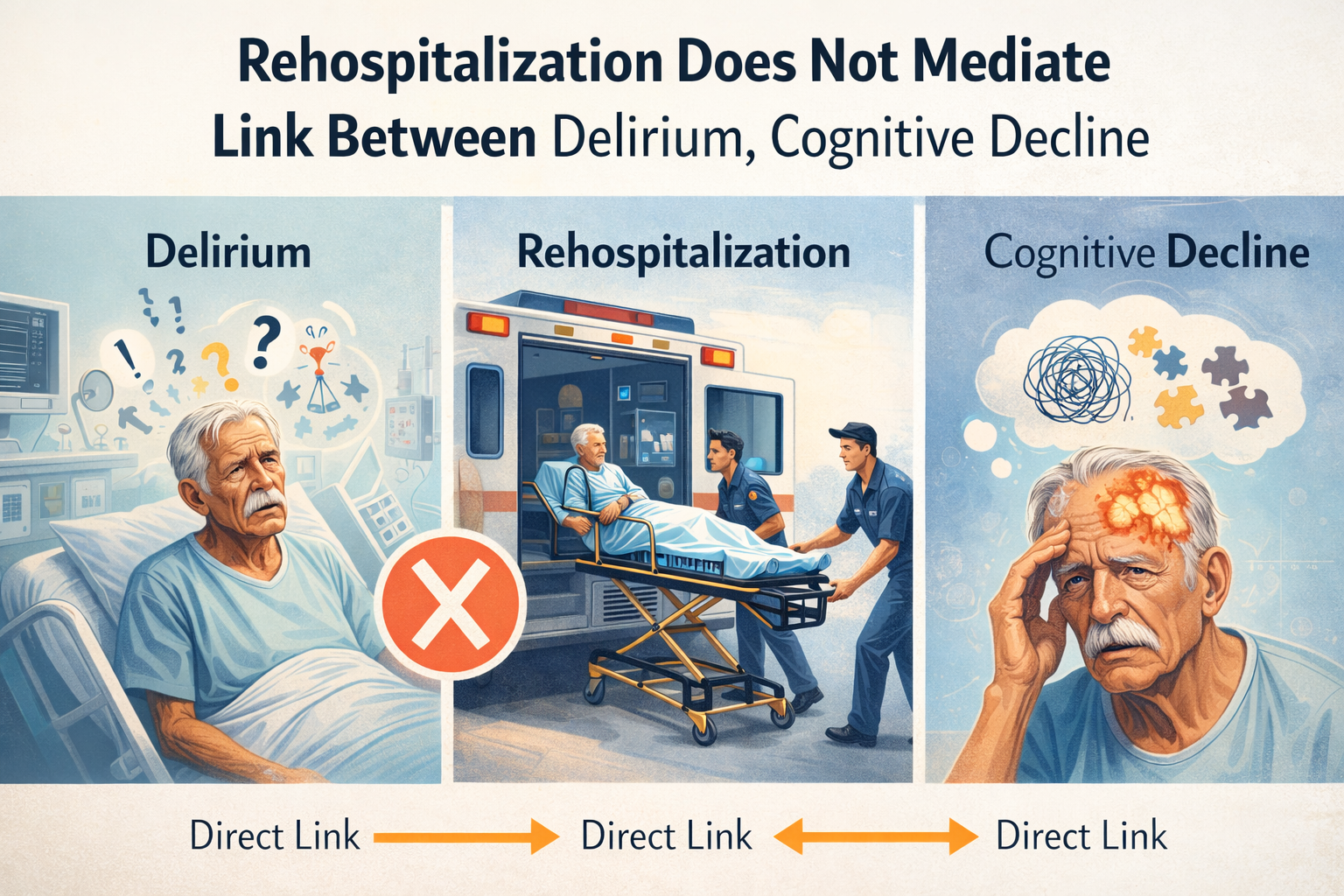
Delirium is a serious and often sudden change in mental status characterized by confusion, reduced awareness, and impaired cognitive function. It commonly occurs among hospitalized older adults, particularly after surgery, severe illness, or intensive medical treatment. Previous studies have shown that delirium is associated with long-term cognitive decline and an increased risk of dementia. Researchers have long sought to understand the mechanisms behind this relationship. One theory suggested that repeated hospitalizations following delirium might contribute to worsening cognitive health. However, recent research indicates that rehospitalization does not significantly mediate the link between delirium and cognitive decline.
Understanding Delirium
Delirium is a temporary but serious condition that affects attention, memory, and thinking abilities. It can develop rapidly over hours or days and is often triggered by infections, medications, surgery, dehydration, or underlying medical conditions.
Common symptoms include:
- Confusion and disorientation
- Difficulty concentrating
- Memory problems
- Hallucinations or delusions
- Changes in sleep patterns
- Fluctuating levels of alertness
Although delirium may resolve after treatment, its long-term effects can persist, especially among older adults.
Cognitive Decline After Delirium
Numerous studies have demonstrated that patients who experience delirium are more likely to develop long-term cognitive impairment. Cognitive decline can involve difficulties with memory, attention, language, decision-making, and problem-solving abilities.
Researchers have observed that even after patients recover from the acute episode of delirium, they may continue to experience measurable reductions in cognitive performance months or years later. This has raised concerns about the lasting neurological impact of delirium on brain health.
The Role of Rehospitalization
Many patients who experience delirium are later rehospitalized due to ongoing health complications. Because repeated hospital stays can expose patients to additional stress, infections, medications, and medical procedures, researchers hypothesized that rehospitalization might contribute to cognitive deterioration.
The theory suggested that:
- Delirium increases the likelihood of rehospitalization.
- Rehospitalization exposes patients to further health risks.
- These risks could accelerate cognitive decline.
If true, reducing rehospitalizations might help protect cognitive function following delirium.
Research Findings
Recent studies examining this relationship have found that rehospitalization does not significantly explain the connection between delirium and long-term cognitive decline. While patients with delirium may indeed experience more hospital readmissions, statistical analyses indicate that these readmissions account for only a small portion of the observed cognitive decline.
The findings suggest that delirium itself may directly affect brain function and neurological health, independent of subsequent hospitalizations. In other words, the cognitive consequences of delirium appear to originate primarily from the delirium episode rather than from later hospital stays.
Possible Biological Mechanisms
Researchers are exploring several biological explanations for why delirium may contribute directly to cognitive decline.
Neuroinflammation
Delirium is often associated with inflammation in the brain. Excessive inflammatory responses can damage neural networks and impair cognitive function.
Neuronal Injury
Episodes of delirium may trigger structural or functional changes in brain cells, leading to long-term cognitive deficits.
Reduced Brain Resilience
Older adults with underlying brain vulnerabilities may be less able to recover fully after experiencing delirium.
Accelerated Neurodegeneration
Delirium may accelerate existing neurodegenerative processes associated with conditions such as Alzheimer’s disease and other forms of dementia.
Future Research Directions
Scientists continue to investigate the exact mechanisms linking delirium and cognitive decline. Future studies may focus on identifying biomarkers, developing preventive therapies, and improving post-hospital recovery programs. Better understanding of these pathways could lead to more effective strategies for preserving cognitive health in aging populations.
Conclusion
Research indicates that rehospitalization does not significantly mediate the relationship between delirium and cognitive decline. While hospital readmissions remain important for overall patient health, the evidence suggests that delirium itself has a direct and lasting impact on cognitive function. These findings highlight the importance of delirium prevention, early detection, and comprehensive patient care to reduce the risk of long-term cognitive impairment and improve outcomes for older adults.
Our Products
-
Gabapentin 400mg
$1.00 / Per Pill

-
Gabapentin 300mg
$1.00 / Per Pill

-
Fenbendazole 500mg
$3.00 / Per Pill