
Introduction
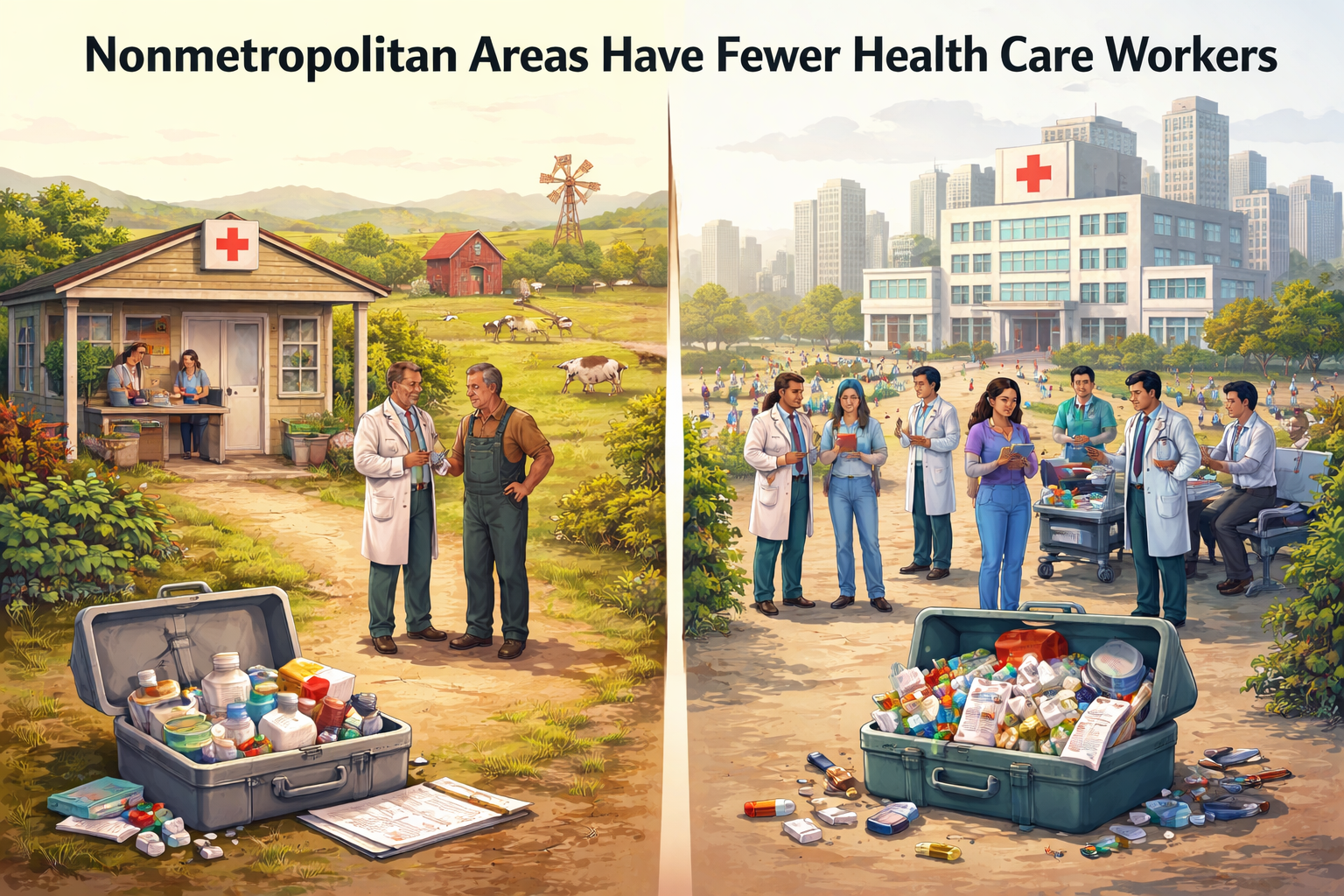
Nonmetropolitan, or rural, areas across many countries face a significant shortage of health care workers. Compared with metropolitan regions, these communities often have fewer doctors, nurses, specialists, and mental health professionals. As a result, residents may experience difficulties accessing timely medical care, preventive services, and specialized treatments. The shortage of health care workers remains one of the biggest challenges affecting rural health outcomes.
Health Care Workforce Shortages in Rural Areas
Rural communities consistently report lower numbers of health care professionals per capita than urban areas. Primary care physicians, registered nurses, pharmacists, and specialists are often in limited supply. Many rural hospitals and clinics struggle to recruit and retain qualified staff, creating gaps in health care delivery and increasing pressure on existing workers.
Factors Contributing to the Shortage
Several factors contribute to the lack of health care workers in nonmetropolitan areas:
- Geographic isolation and limited amenities.
- Fewer professional growth opportunities.
- Lower patient volumes and financial incentives.
- Limited access to advanced medical facilities.
- Challenges in recruiting young professionals.
Many health care workers prefer urban settings because they offer larger professional networks, higher salaries, and greater access to educational and career advancement opportunities.
Impact on Primary Care Services
Primary care providers serve as the first point of contact for most patients. In rural areas, shortages of family physicians and general practitioners can lead to:
- Longer wait times for appointments.
- Delayed diagnosis and treatment.
- Reduced access to preventive screenings.
- Increased reliance on emergency departments.
Without adequate primary care, chronic diseases such as diabetes, hypertension, and heart disease may go unmanaged.
Limited Access to Specialists
Specialist shortages are even more severe in nonmetropolitan regions. Services such as cardiology, oncology, neurology, and endocrinology may not be available locally. Patients often need to travel long distances to receive specialized care, which can create financial burdens and delay treatment.
Nursing Workforce Challenges
Nurses are essential to health care delivery, yet rural facilities frequently experience nursing shortages. Insufficient staffing can result in:
- Increased workloads for existing nurses.
- Higher levels of burnout and job stress.
- Reduced quality of patient care.
- Greater difficulty maintaining hospital services.
Addressing nursing shortages is critical for ensuring safe and effective patient care.
Mental Health Care Gaps
Mental health professionals are particularly scarce in many rural communities. Limited access to psychiatrists, psychologists, and counselors can make it difficult for individuals to receive treatment for conditions such as depression, anxiety, and substance use disorders. This gap contributes to unmet mental health needs and poorer overall community well-being.
Conclusion
The shortage of health care workers in nonmetropolitan areas remains a significant public health challenge. Limited access to physicians, nurses, specialists, and mental health professionals can negatively affect patient outcomes and community well-being. Through targeted investments, workforce development programs, telehealth expansion, and supportive policies, rural communities can strengthen their health care systems and improve access to quality care for all residents.
Our Products
-
Gabapentin 400mg
$1.00 / Per Pill

-
Gabapentin 300mg
$1.00 / Per Pill

-
Fenbendazole 500mg
$3.00 / Per Pill